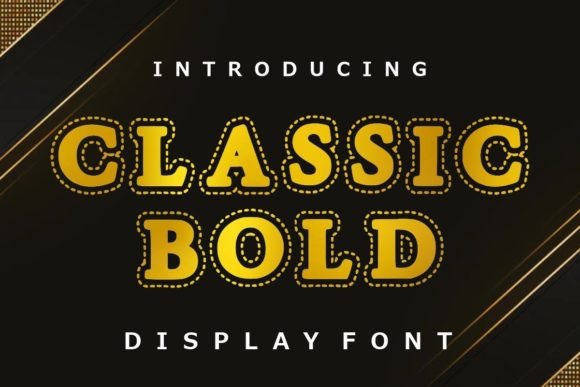
Classic Bold: A Retro Font with Timeless Appeal
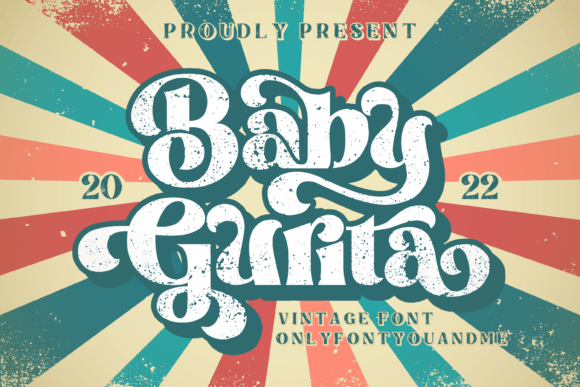
Classic Bold is more than just a font—it's a design statement. With its bold, retro-styled appearance, it brings a vintage feel that can elevate any project. Whether you're working on a logo, poster, or headline, Classic Bold offers a unique blend of style and functionality that appeals to a wide range of creative professionals.
What makes Classic Bold stand out is its ability to evoke nostalgia while maintaining modern relevance. Its clean lines and strong presence make it ideal for projects that require a touch of old-school charm without sacrificing clarity. This font is particularly useful for designers looking to add character to their work without overcomplicating the visual language.
Why Classic Bold Works for Design Projects
Classic Bold’s versatility is one of its greatest strengths. It works well in both digital and print formats, making it a go-to choice for designers across different mediums. The font’s weight and structure ensure readability even at smaller sizes, which is crucial for headlines and text effects. Its retro aesthetic also gives it an edge in branding, where uniqueness and memorability are key.
For marketers and entrepreneurs, Classic Bold can help create a strong brand identity. Using this font in logos or promotional materials can instantly communicate a sense of tradition and reliability. It’s especially effective for businesses in industries like food, fashion, or entertainment, where a vintage vibe can resonate with target audiences.
Designers often use Classic Bold to add visual interest to layouts. Whether it's for a magazine cover, a social media post, or a website header, the font’s boldness commands attention while maintaining a polished look. It pairs well with other fonts, allowing for creative combinations that enhance the overall design without clashing.
Creative Applications of Classic Bold
The possibilities for using Classic Bold are nearly endless. For instance, it’s perfect for creating eye-catching headlines in advertising campaigns. A single line of text in Classic Bold can transform a simple ad into something memorable. It also works well for sports events, where a strong, dynamic font can reflect the energy and excitement of the occasion.
Monogrammed designs are another area where Classic Bold shines. Whether it's for personalized gifts, wedding invitations, or custom apparel, the font adds a touch of elegance and sophistication. Its retro style gives it a timeless quality that can be adapted to various themes and settings.
Text effects are another popular use case. By layering Classic Bold with shadows, gradients, or textures, designers can create striking visual elements that stand out. This approach is especially effective in digital art, signage, or interactive media, where visual impact is essential.
Adapting Classic Bold for Different Audiences
One of the reasons Classic Bold is so valuable is its adaptability. It can be tailored to suit different audiences and contexts. For example, a small business owner might use it in a logo to convey trust and experience, while a designer could use it in a portfolio to showcase creativity and style.
When working with different platforms, such as websites, mobile apps, or social media, Classic Bold remains consistent in its visual appeal. However, it's important to consider how the font appears on various devices and screen sizes. Testing the font in different environments ensures that it maintains its legibility and impact across all formats.
For educators and students, Classic Bold can be a useful tool in teaching typography and design principles. Its distinct characteristics provide a clear example of how font choices can influence the overall message and tone of a project. It also encourages experimentation with layout, color, and composition.
Practical Tips for Using Classic Bold
To get the most out of Classic Bold, start by understanding its strengths and limitations. Use it for headings, titles, and emphasis rather than body text, as it may not be the best choice for long paragraphs. This helps maintain a balance between style and readability.
When pairing Classic Bold with other fonts, choose complementary styles that don't compete for attention. A simpler, sans-serif font can serve as a good contrast, allowing Classic Bold to take center stage. This approach creates a harmonious design that feels cohesive and professional.
Experiment with different weights and styles to find the right fit for your project. Some versions of Classic Bold may have variations that offer more flexibility, such as italic or condensed options. These variations can expand the font’s usability and allow for more creative expression.
Conclusion: Embrace the Retro Style with Classic Bold
Classic Bold is a powerful tool for anyone looking to add a vintage flair to their work. Its bold, retro style offers a fresh alternative to modern fonts while maintaining clarity and effectiveness. Whether you're a designer, marketer, or entrepreneur, this font can help you create designs that stand out and resonate with your audience.
By understanding its applications and adapting it to your specific needs, you can unlock new creative possibilities. From logos to headlines, Classic Bold proves that sometimes, looking back can lead to the most innovative results.