Comic Art: A Bold and Expressive Font
Comic Art is more than just a font—it's a visual statement. With its dynamic, hand-drawn style, it brings a sense of energy and creativity to any design. Whether you're working on a project for business, education, or personal expression, Comic Art can elevate your work with its unique flair.
What Makes Comic Art Unique?
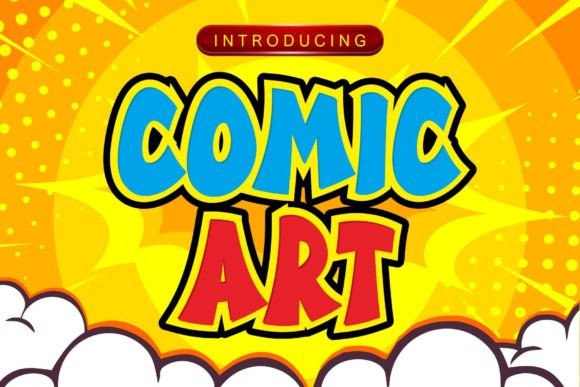
Comic Art is a display font designed to stand out. Its characters are bold, stylized, and full of personality. Unlike traditional fonts that prioritize clarity, Comic Art leans into a more expressive, almost illustrative approach. This makes it ideal for headlines, logos, or any text that needs to grab attention.
The font’s irregular shapes and exaggerated strokes give it a playful yet professional edge. It’s not just for comic books—its versatility allows it to fit into a wide range of contexts, from branding to digital media.
Key Characteristics of Comic Art
- Dynamic Shape: Each letter has a distinct, lively form that adds movement to the text.
- Expressive Style: The font conveys emotion and character, making it perfect for creative projects.
- High Visual Impact: Its boldness ensures it commands attention without being overwhelming.
Why Use Comic Art in Your Projects?
Comic Art isn’t just about looking good—it’s about communication. When used effectively, it can convey tone, mood, and intent in a way that other fonts cannot. For instance, in marketing materials, it can help create a fun, approachable brand image. In educational content, it can make complex ideas more engaging and memorable.
For creators, Comic Art offers a way to add personality to their work. Whether you're designing a poster, a website, or a social media campaign, this font can help you express your vision more vividly.
Practical Applications Across Industries
Comic Art finds its place in many areas. Here are a few examples:
- Marketing and Advertising: Use it for eye-catching headlines or promotional banners. Its energetic look can make your message more appealing.
- Educational Materials: Teachers and educators can use it to make lesson plans or presentations more visually engaging, especially for younger audiences.
- Web Design: As a display font, it works well for titles, buttons, or call-to-action sections. It adds a touch of creativity without compromising readability.
- Branding: Businesses looking to establish a fun, innovative identity can incorporate Comic Art into logos, packaging, or merchandise.
Benefits of Incorporating Comic Art
Using Comic Art can offer several advantages. First, it enhances visual appeal. In a world where first impressions matter, a well-chosen font can make a big difference. Second, it improves engagement. Text that stands out is more likely to be noticed and remembered.
From a practical standpoint, Comic Art can also boost productivity. When used in design software, it helps designers quickly visualize how text will look in different formats. This can save time during the creative process.
Real-World Examples and Recommendations
Consider a small business launching a new product line. By using Comic Art in their packaging and social media posts, they can create a cohesive, recognizable brand that feels fresh and exciting. Similarly, a teacher might use it in a classroom presentation to make learning more interactive and fun.
For digital creators, Comic Art can be a powerful tool. Whether you're designing a YouTube thumbnail, a blog header, or an app interface, it adds a distinctive touch that sets your work apart.
Things to Consider When Using Comic Art
While Comic Art is versatile, it’s important to use it wisely. Overuse can lead to cluttered designs or reduced readability. It works best as a highlight rather than the main body text. Always test it in different sizes and contexts to ensure it maintains its impact.
Also, consider your audience. While it may be perfect for younger demographics, it may not suit more formal or traditional settings. Choose it based on the message you want to convey and the environment in which it will be seen.
How to Get Started with Comic Art
If you’re interested in using Comic Art, start by exploring font libraries like Google Fonts, Adobe Typekit, or commercial font marketplaces. Many platforms offer free or paid versions of this font, allowing you to experiment before committing.
Once you’ve selected a version, integrate it into your design tools. Most graphic design software, such as Adobe Photoshop, Illustrator, or Canva, supports custom fonts. Experiment with different sizes, colors, and layouts to find what works best for your project.
Conclusion: Comic Art for Creative Expression
Comic Art is more than just a font—it’s a creative tool that can bring life to your work. Its bold, expressive style makes it ideal for a wide range of applications, from marketing to education. By understanding its strengths and limitations, you can use it effectively to enhance your designs and communicate your message with impact.
Whether you're a designer, marketer, educator, or hobbyist, Comic Art offers a unique way to stand out and connect with your audience. Give it a try and see how it transforms your next project.