Sweet July: A Bold Choice for Creative Projects
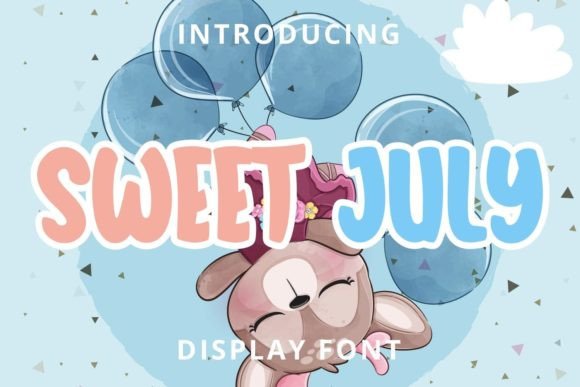
When it comes to design, the right font can make all the difference. Sweet July is a display font that stands out with its playful yet sophisticated style. It’s ideal for headlines, logos, or any text that needs a dramatic touch. Whether you're working on a marketing campaign, a personal project, or a creative piece, Sweet July offers a unique visual flair that can elevate your work.
Understanding what makes a font effective is key to choosing the right one. Display fonts like Sweet July are designed to grab attention and add personality. They’re not meant for body text but rather for situations where visual impact matters most. This makes them perfect for titles, banners, or any element that needs to stand out.
Why Sweet July Matters in Design
Sweet July isn’t just another font—it’s a tool that can help you express your vision more clearly. Its rounded shapes and slightly whimsical feel make it versatile enough for both modern and classic designs. For professionals in fields like graphic design, marketing, or branding, having a font like Sweet July in their toolkit can be incredibly useful.
Consider a scenario where a small business owner is creating a new logo. The right font can communicate the brand's identity instantly. With Sweet July, they can achieve a look that feels both fun and professional, helping their brand stand out in a crowded market.
Practical Benefits of Using Sweet July
One of the main advantages of Sweet July is its ability to add visual interest without overwhelming the viewer. It strikes a balance between being eye-catching and easy to read. This makes it suitable for a wide range of applications, from social media posts to print materials.
For educators or content creators, using Sweet July in headings or section titles can help organize information more effectively. A well-chosen font can guide the reader’s eye and improve the overall readability of a document or presentation. In this way, Sweet July supports clearer communication and better engagement.
Enhancing Creativity with Sweet July
Creativity often thrives on variety, and Sweet July provides a fresh option for those looking to break away from standard fonts. Its distinctive style can inspire new ideas and encourage experimentation. Whether you're designing a website, crafting a newsletter, or working on a poster, Sweet July can spark inspiration and lead to more dynamic results.
Imagine a designer who has been using the same set of fonts for years. Introducing Sweet July could reignite their creative process, helping them explore new directions and styles. This kind of flexibility is valuable for anyone looking to keep their work fresh and engaging.
Who Can Benefit Most from Sweet July
While Sweet July is a great choice for many, it may be particularly beneficial for certain groups. Entrepreneurs launching a new product or service might find it useful for creating memorable branding. Marketers can use it to craft compelling headlines that capture attention and drive engagement.
Bloggers and content creators can also benefit from using Sweet July in their titles or subheadings. A visually appealing layout can make their content more attractive and easier to navigate. For educators, incorporating this font into lesson plans or presentations can make learning more interactive and engaging.
Realistic Use Cases for Sweet July
Let’s consider a few practical examples. A wedding planner might use Sweet July in invitations to convey a sense of romance and celebration. A local café could incorporate it into their signage to create a warm, inviting atmosphere. In each case, the font adds a touch of personality that aligns with the brand’s identity.
Another example is a digital marketer creating a social media campaign. Using Sweet July in headlines can help their content stand out in a sea of text. It adds a layer of visual appeal that can increase user interaction and improve overall performance.
Limitations and Considerations
While Sweet July is a powerful tool, it’s important to recognize its limitations. As a display font, it’s not ideal for long blocks of text. Using it in body copy could reduce readability and make the content harder to follow. It’s best reserved for short phrases or key elements that need emphasis.
Additionally, users should consider the context in which they’re using the font. Some industries or audiences may prefer more traditional styles. In such cases, it’s wise to compare options and choose a font that aligns with the intended message and audience expectations.
Conclusion: Elevate Your Work with Sweet July
Sweet July is more than just a font—it’s a design asset that can enhance your work in meaningful ways. Its unique style and versatility make it a valuable addition to any creative toolkit. By understanding its strengths and limitations, you can use it effectively to support your goals and improve your output.
Whether you’re a designer, marketer, educator, or entrepreneur, Sweet July offers a fresh perspective that can help you stand out. With the right approach, it can become an essential part of your design process, adding personality and impact to every project you undertake.