Sketcomic: A Brushstroke Font for Creative Workflows
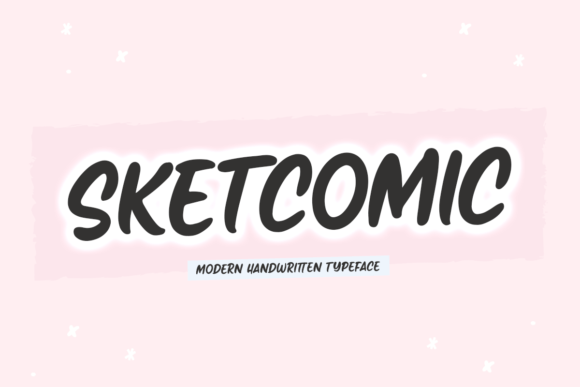
Sketcomic is a unique brush display font that captures the essence of hand-painted art. Designed to mimic the fluidity and energy of brush strokes, it brings a sense of authenticity and nostalgia to any project. This font is ideal for creative professionals, educators, and hobbyists looking to add a personal touch to their work. Whether you're designing a school brochure, crafting a children's book, or creating a marketing campaign, Sketcomic can enhance your visual storytelling.
The PUA encoding of Sketcomic ensures that users have easy access to all its glyphs and ligatures, making it versatile for various design applications. Its natural appearance makes it stand out in digital formats, offering a refreshing alternative to more rigid typefaces. By integrating Sketcomic into your workflow, you can create content that feels more human and expressive.
How Sketcomic Fits Into Your Workflow
Integrating Sketcomic into your creative process can be seamless if you consider where and how it will be used. Before starting a project, think about the tone and style you want to convey. If your goal is to evoke warmth and creativity, Sketcomic can be an excellent choice. It works well in both digital and print formats, making it adaptable to different mediums.
During the execution phase, Sketcomic can be used to highlight key elements in your designs. For instance, in a presentation, using this font for headings or captions can draw attention and add visual interest. When paired with other fonts, it can create a balanced and dynamic layout. The contrast between Sketcomic and more structured typefaces can help guide the viewer’s eye and emphasize important information.
After completing a project, Sketcomic can still play a role in quality control and consistency checks. Ensuring that the font is used appropriately across all materials helps maintain a cohesive brand identity. If you’re working on a long-term project, such as a series of educational materials, using Sketcomic consistently can reinforce a recognizable style.
Using Sketcomic in Different Contexts
Sketcomic is particularly effective in projects that involve children or educational content. Its playful and artistic look can make learning materials more engaging for young audiences. Teachers and educators can use it to create worksheets, posters, or lesson plans that feel more interactive and fun. The font’s organic feel aligns well with the creative spirit of early education.
In the realm of marketing and branding, Sketcomic can be used to craft slogans, taglines, or social media posts that feel more approachable and authentic. For small businesses or startups, this font can help establish a brand voice that feels genuine and relatable. It’s especially useful for brands targeting a younger demographic or those focused on creativity and innovation.
For personal projects, such as journaling, bullet points, or DIY crafts, Sketcomic adds a personalized flair. It can transform simple notes into visually appealing pieces that reflect individuality. Whether you’re creating a custom calendar or designing a handmade card, this font can elevate the overall aesthetic of your work.
Practical Tips for Implementing Sketcomic
To get the most out of Sketcomic, start by experimenting with different sizes and placements. Test how it looks in various contexts to determine what works best for your needs. For example, using it at larger sizes for headlines can create a strong visual impact, while smaller sizes may be better suited for body text or captions.
When combining Sketcomic with other fonts, consider the hierarchy and readability. Pairing it with a clean, sans-serif font can provide contrast and balance. This combination can help maintain legibility while still allowing Sketcomic to shine in key areas. Always test your designs on different devices and screens to ensure consistency.
Another tip is to use Sketcomic selectively. While it’s great for adding character, overusing it can make your design feel cluttered. Use it to highlight specific elements rather than as the primary text. This approach ensures that your message remains clear and your design stays professional.
Compatibility and Usability Considerations
Before incorporating Sketcomic into your projects, check its compatibility with the software and platforms you use. Most modern design tools support PUA-encoded fonts, but it’s always good to verify. If you’re working with clients or collaborators, make sure they have access to the font or provide guidelines for its use.
Usability is another important factor. Ensure that the font is readable in the intended context. For example, if you’re using it in a digital document, check that it displays correctly across different operating systems and browsers. For print projects, confirm that the font is suitable for the type of paper and printing method you’ll be using.
Organization and efficiency are key when managing multiple fonts. Keep your font library tidy by categorizing Sketcomic alongside other display fonts. This practice makes it easier to locate and apply the font when needed. It also helps maintain a streamlined workflow, especially if you work on multiple projects simultaneously.
Long-Term Use and Maintenance
As you continue to use Sketcomic, consider how it fits into your long-term design strategy. Regularly review your projects to ensure that the font continues to meet your needs. If you notice that it’s not being used as effectively as it could be, explore new ways to incorporate it into your work.
Maintaining consistency is crucial for brand recognition. If Sketcomic is part of your brand’s visual identity, ensure that it’s used uniformly across all materials. This includes websites, social media, printed materials, and digital communications. Consistency helps build trust and reinforces your brand’s personality.
Finally, stay updated on any changes or improvements related to Sketcomic. New versions or updates may offer additional features or enhancements that can further improve your workflow. Keeping your font library up to date ensures that you’re always using the most effective tools available.