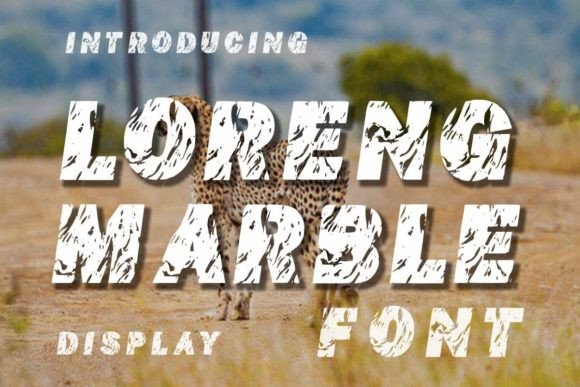
Loreng Marble: A Unique Display Font That Elevates Creative Ideas
If you're looking for a font that adds visual depth and a touch of sophistication to your designs, Loreng Marble might be exactly what you need. This display font stands out with its refined marble texture, making it ideal for projects that require both style and substance. Whether you're working on branding, web design, or print materials, Loreng Marble offers a distinctive look that can bring your creative ideas to life.
What Makes Loreng Marble Stand Out?
Loreng Marble isn't just another font—it's a design element in itself. The subtle marble texture gives it a tactile feel, as if the text is carved from real stone. This effect works particularly well in high-contrast settings, where the grain and imperfections of the marble add character and visual interest. Unlike many other fonts that aim for clean simplicity, Loreng Marble embraces a more organic aesthetic, making it perfect for projects that want to evoke a sense of luxury, history, or craftsmanship.
Real-World Applications for Loreng Marble
One of the most common uses for Loreng Marble is in branding and logo design. Companies that want to convey a sense of elegance or timelessness often turn to this font to give their identity a unique edge. For example, a boutique hotel might use Loreng Marble for its signage or website header to create an atmosphere of refinement and exclusivity. Similarly, a luxury fashion brand could incorporate it into its packaging or marketing materials to reinforce its premium image.
In the world of web design, Loreng Marble can be a powerful tool for creating visually engaging content. It works especially well for headlines, banners, or section titles where you want to draw attention without overwhelming the reader. However, because of its texture, it's best used sparingly. Overusing it across an entire website can make the text harder to read, especially on smaller screens or low-resolution displays.
Print designers also find value in Loreng Marble. From magazine covers to business cards, the font adds a layer of sophistication that can elevate the overall look of a project. For instance, a wedding invitation that features Loreng Marble in the event title can instantly communicate a sense of class and tradition. In editorial design, it can be used to highlight key quotes or headings, making them stand out while maintaining a cohesive visual theme.
Who Benefits From Using Loreng Marble?
Graphic designers and artists are among the biggest beneficiaries of Loreng Marble. Its unique texture allows them to experiment with different layouts and compositions, giving their work a more dynamic and artistic feel. For those who specialize in vintage or artisanal styles, this font can serve as a key element in their design toolkit.
Business owners and entrepreneurs also benefit from using Loreng Marble. Whether they're launching a new product line or rebranding an existing company, the font can help create a strong visual identity that resonates with their target audience. It's particularly useful for businesses in industries like hospitality, fashion, or fine arts, where aesthetics play a crucial role in customer perception.
Content creators and influencers may find Loreng Marble useful for enhancing the visual appeal of their social media posts, YouTube thumbnails, or blog headers. By incorporating this font into their visuals, they can create a more professional and polished look that sets them apart from competitors.
Considerations Before Using Loreng Marble
Before diving into a project with Loreng Marble, it's important to consider how it will perform in different contexts. One of the main factors to keep in mind is readability. While the font looks great in large sizes, it may not be suitable for body text, especially in digital formats. If you're planning to use it in a long-form article or website content, it's best to pair it with a more legible font for the main text.
Another consideration is the platform or medium where the font will be used. Some design software or web browsers may not render the marble texture as intended, which could affect the final appearance. Testing the font in different environments is essential to ensure it looks consistent and meets your expectations.
Additionally, licensing is an important aspect to address. Depending on the source of the font, there may be restrictions on how it can be used, especially for commercial projects. Always check the license agreement to avoid any legal issues down the line.
Strengths and Limitations of Loreng Marble
The strength of Loreng Marble lies in its ability to add a unique visual dimension to any project. Its marble texture provides a level of detail that few other fonts can match, making it a go-to choice for designers who want to create something truly memorable. It's also versatile enough to work in a variety of styles, from modern minimalism to classic elegance.
However, there are some limitations to be aware of. As mentioned earlier, it's not always the best choice for body text due to potential readability issues. It also requires careful handling in terms of color contrast and spacing, as the texture can become distracting if not properly balanced. In some cases, the font may not be available in all weights or styles, which can limit its flexibility in certain design scenarios.
Despite these challenges, Loreng Marble remains a valuable asset for anyone looking to add a touch of sophistication to their work. Its ability to transform simple text into a visually compelling element makes it a standout choice for creative professionals across multiple industries.